
“iPhone” collection
Find in-depth reviews, accessory guides, and performance evaluations for the Apple iPhone series. From luxury protective gear to productivity-enhancing features, these articles help you get the most out of your mobile device.
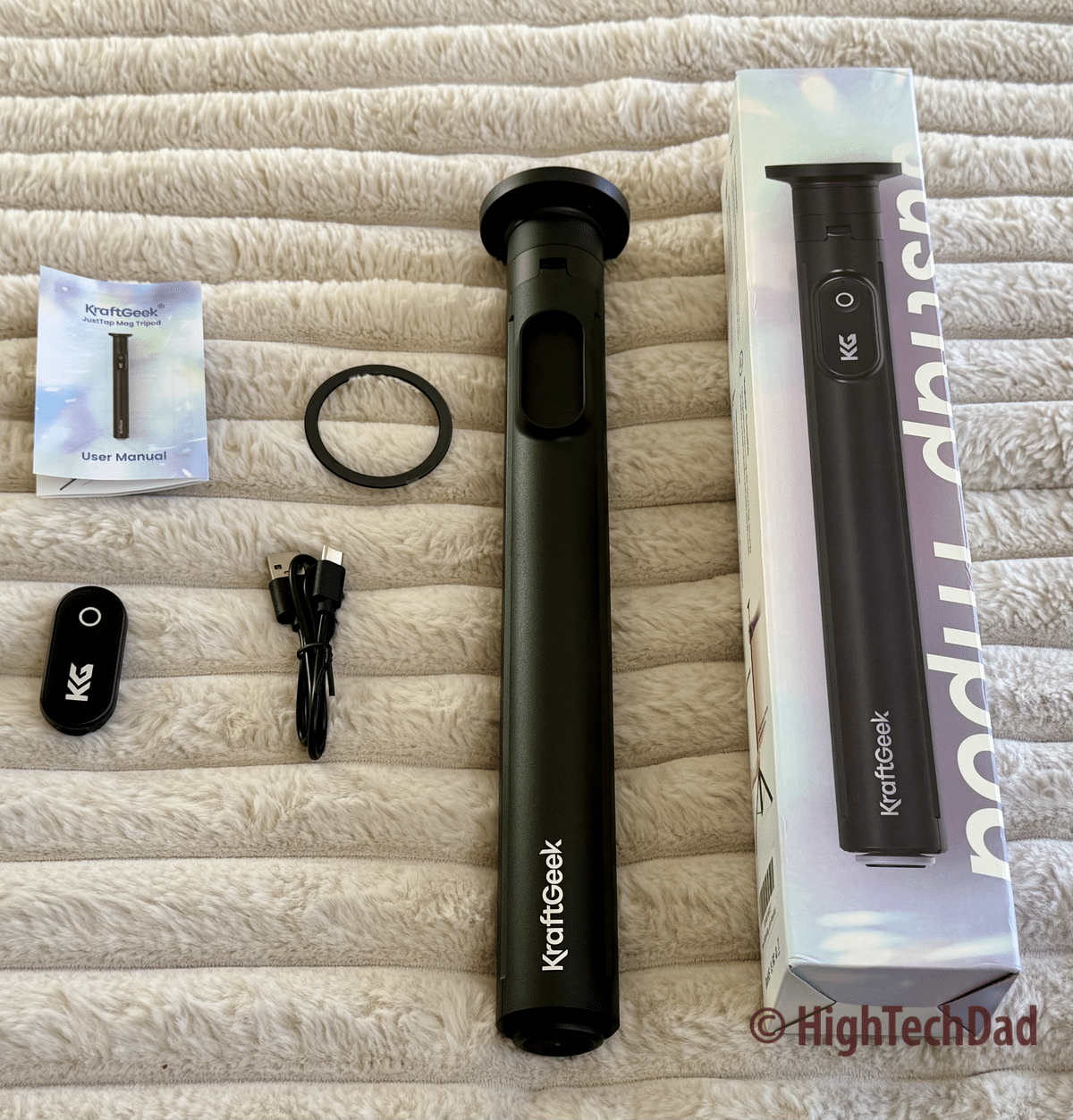
Content Creators Can Now Get Rid of Bulky Tripods! KraftGeek
The KraftGeek JustTap Magnetic Phone Tripod is a 66-inch, tap-to-open MagSafe-compatible tripod that weighs just 15.8 oz and collapses to 13 inches, making it ideal for content creators, influencers, and…
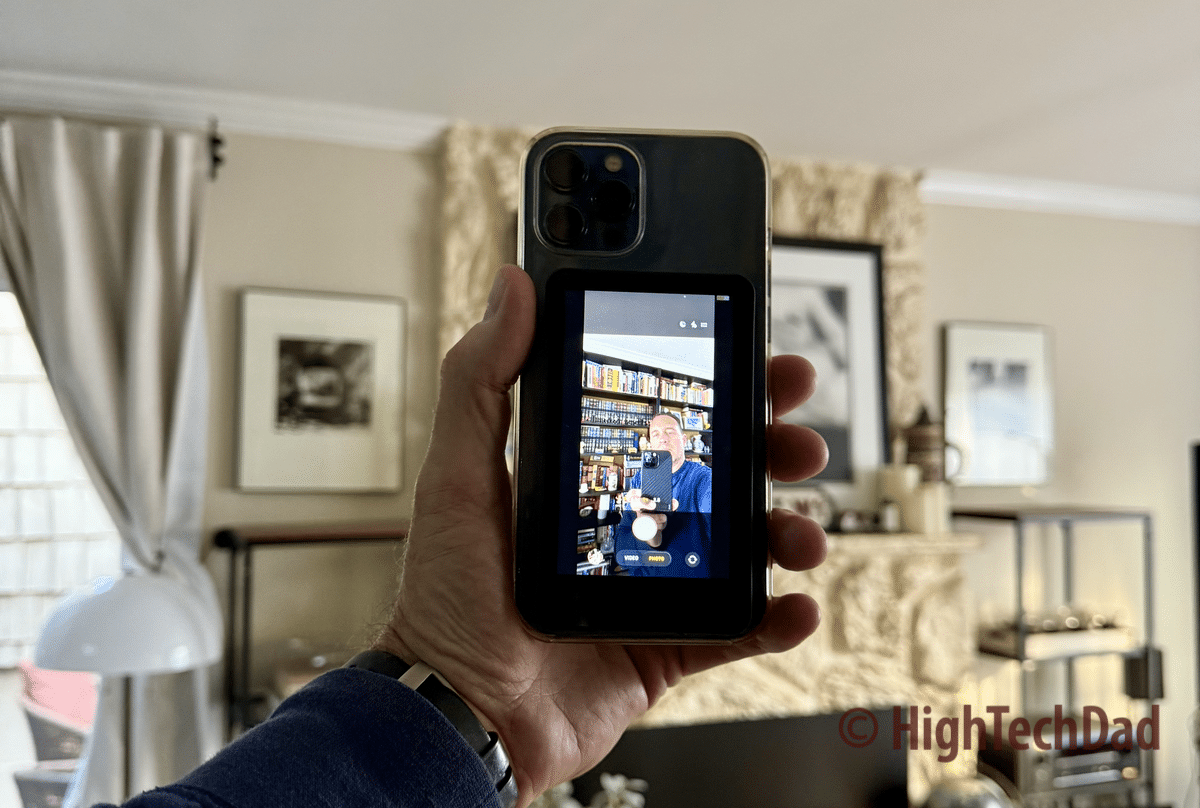
This Tiny Screen Solves a Big Problem for Vloggers: Meet
Tired of filming blind with your phone’s rear camera? The SYNCO XView M4 is a compact, wireless screen that lets creators and vloggers finally see what they’re shooting. In this…
HyperJuice Qi2 Charging Stands for Apple Devices (2-in-1, 3-in-1, 4-in-1)
Looking for the perfect Apple charging stand? This hands-on review covers HyperJuice Qi2 Magnetic Charging Stands (2-in-1, 3-in-1, and 4-in-1), highlighting real-world performance, travel-readiness, and why they’re worth considering for…

Got an iPhone, Apple Watch, and AirPods? You Might Want
Review of the mophie snap+ 3-in-1 Wireless Charging Stand, a reliable solution for charging your iPhone, AirPods, and Apple Watch. Learn about its premium build, compact design, and seamless compatibility…

This Mophie 3-in-1 Extendable Stand Charger has one really unique
Review of the Mophie 3-in-1 Extendable Stand which can charge three Apple devices simultaneously - iPhone, Apple Watch, and AirPods.

Got a New iPhone 14? Get the Mujjo Leather Case
Review of the Mujjo Leather Case for iPhone 14 Pro and iPhone 14 Pro Max and Magnetic Wallet, which provides luxurious elegant protection.
ZIKE MagSafe Charging Stand with 1 Game-Changing Feature – Pre-Production
The ZIKE MagSafe Charging Stand (pre-production model reviewed) can sustain longer and faster charging at 15W due to a built-in fan.

Which iPhone Should You Get? HighTechDad Apple 2021 Upgrade Recommendations
Confused as to which iPhone to get or upgrade to? HighTechDad offers recommendations and insights into your iPhone upgrade options & choices.

Levitate & Charge your iPhone 12 & AirPods – HyperJuice
Review of the HyperJuice Magnetic Wireless Charging Stand which using MagSafe, securely holds your iPhone 12 & wirelessly charges it. The base also charges AirPods.

9 Reasons to Upgrade to the iPhone 12 Pro Max
Want to upgrade to the iPhone 12 Pro Max? This article has 9 reasons to upgrade as well as several important upgrade questions to ask about what type of upgrade…


